Getting Around Cebu, Part 4: Tricycles, Habal-Habal and Ride-Hailing for Short Trips
Travel and Community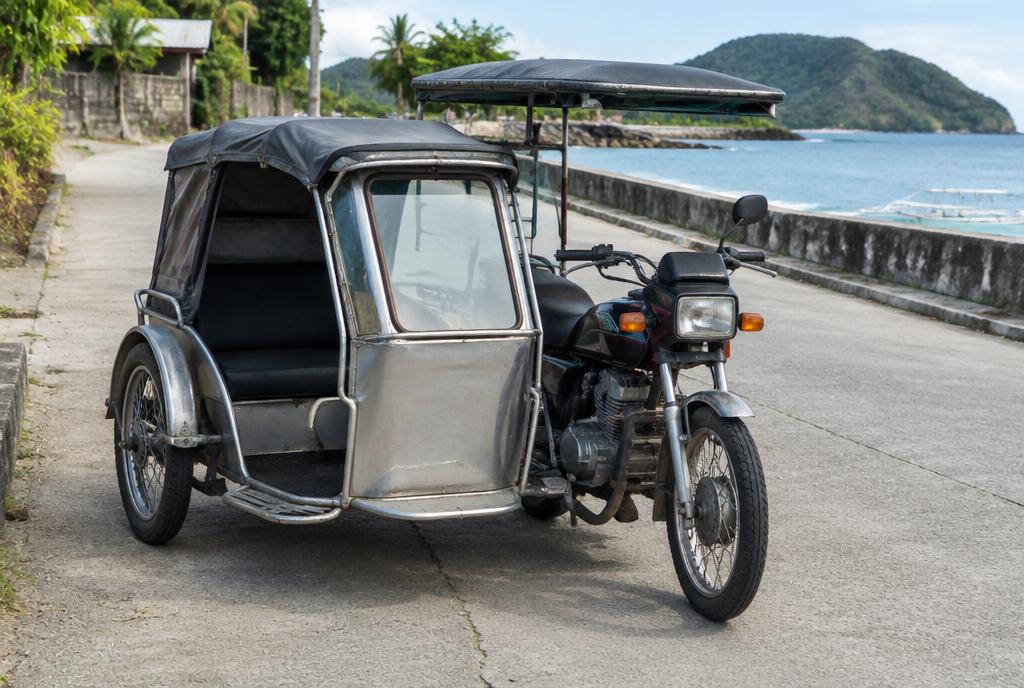
For short hops and narrow streets, Cebu has tricycles, habal-habal (motorcycle taxis) and ride-hailing. Part 4 of our series covers current fares and how to avoid overpaying.
Not every place you want to go sits along a jeepney route. For short trips, narrow streets and spots a little off the main road, Cebu's tricycles, habal-habal and ride-hailing cars come in handy.
This is Part 4 of our five-part transport series.
Tricycles and habal-habal: what they are
A tricycle is a motorcycle with a passenger sidecar, common in barangays and town centres. A habal-habal is a motorcycle taxi, where you ride behind the driver. Both are usually paid per trip or per passenger rather than by meter.
What fares to expect
Fares are set by each city or municipality, so they differ from place to place. In Mandaue City, SunStar Cebu reported on 30 March 2026 that the agreed minimum fare for habal-habal is ₱25, with a lowest fare of ₱20 for very short trips. City officials warned against unapproved increases of ₱2 to ₱5, and tariff rates are being posted at stations.
In Lapu-Lapu City on Mactan Island, GMA Regional TV reported in March 2026 that tricycle drivers were asking for a higher minimum fare because of rising fuel prices. We could not confirm whether a new rate has been approved, so ask for the fare before you ride.
Tips for tourists
- Ask for the price before you get on, and agree on it.
- Look for a posted fare chart at the terminal or station, especially in Mandaue.
- Have exact change ready, since drivers often have limited change.
- For longer rides or going with luggage, a taxi or ride-hailing car is usually more comfortable.
- Wear a helmet when you ride habal-habal if one is offered.
Ride-hailing in Cebu
Grab and other ride-hailing services show the fare in the app before you book. The Freeman reported that the LTFRB raised the base fares of transport network vehicles in March 2026: ₱65 for sedans, ₱75 for AUVs, ₱55 for hatchbacks and ₱165 for premium vehicles. Per-kilometre and per-minute charges stay on top of the base fare and were unchanged.
Before you leave, confirm the driver's name, car model and plate number on the screen. Surge pricing and traffic can change the final fare.
Previous: Part 3: Jeepneys and city buses
Next: Part 5: Buses and ferries out of Cebu City
The full "Getting Around Cebu" series:
- Part 1: From Mactan-Cebu Airport to your hotel
- Part 2: White taxis, premium taxis and Green GSM
- Part 3: Jeepneys and city buses
- Part 4: Tricycles, habal-habal and ride-hailing (you are here)
- Part 5: Buses and ferries out of Cebu City
You might also like:
Reference:
Sources checked on 6 November 2026 (PHT)